

In a world filled with consistent notifications, packed schedules, and endless to-do lists, it’s easy to feel overwhelmed. But what if five minutes a day could improve your mental health, reduce stress, and help you understand yourself better? Research suggests that daily journaling – a practice as simple as writing down your thoughts – has powerful, science-backed benefits.
Stress Reduction Backed by Psychology
Expressive Writing Benefits
Studies in psychology show that expressive writing helps reduce stress and anxiety. When you take time to write about your feelings, your brain processes emotions differently. Instead of circling around the same worries, journaling provides structure, helping you organize thoughts and let go of mental clutter.
Expressive writing is a form of journaling where you freely explore your emotions, and it has been shown to lower stress and improve physical health. Research in Psychosomatic Medicine found that writing about emotional experiences over several days can boost immune function, reduce blood pressure, and decrease visits to healthcare providers. 1 2
Cortisol Reduction
Research in Journal of Medical Internet Research (JMIR) Mental Health and other journals show regular journaling for 15 minutes three days a week can reduce cortisol (stress hormone) levels by 19% in one month, linking journaling to direct physiological stress reduction. 3 4
Gratitude Journaling
Gratitude journaling also delivers benefits. People who regularly write down what they are thankful for feel more optimistic and report better physical and psychological health compared with those focusing on hassles or neutral events.
Studies confirm gratitude writing increases feelings of optimism and physical and psychological health, with many analyses showing benefits for anxiety, depression, mood, and health markers. 5 6 7
Takeaway: A few minutes of journaling a day can act like a pressure valve for your mind – helping you manage stress before it builds up.
How to Get Started: Your 5-Minute Journaling Practice
Getting started can be simple. You can consider the following.
- Choose a consistent time: morning to set intentions or evening to reflect.
- Use simple prompts:
“What made me feel good today?”
“What am I grateful for right now?”
“What’s on my mind that I need to acknowledge?” - Keep it short and honest – write for yourself, not for perfection.
- Leverage a tool or app like MUJO, a bullet journaling app to automate prompts, reminders, and tracking.
Final Thoughts
Evidence tells us that even a small daily habit – like five minutes of journaling – can make a meaningful difference. It supports better stress regulation, self-awareness, emotional resiliency, and long-term wellness.
Ready to Start Your Daily Journaling Habit?
Try MUJO — Simple Journaling That Sticks
MUJO makes daily reflection effortless with a clean interface, bullet journal format, and timeline views that help you see patterns in your life. No clutter, no overwhelm—just you and your thoughts.
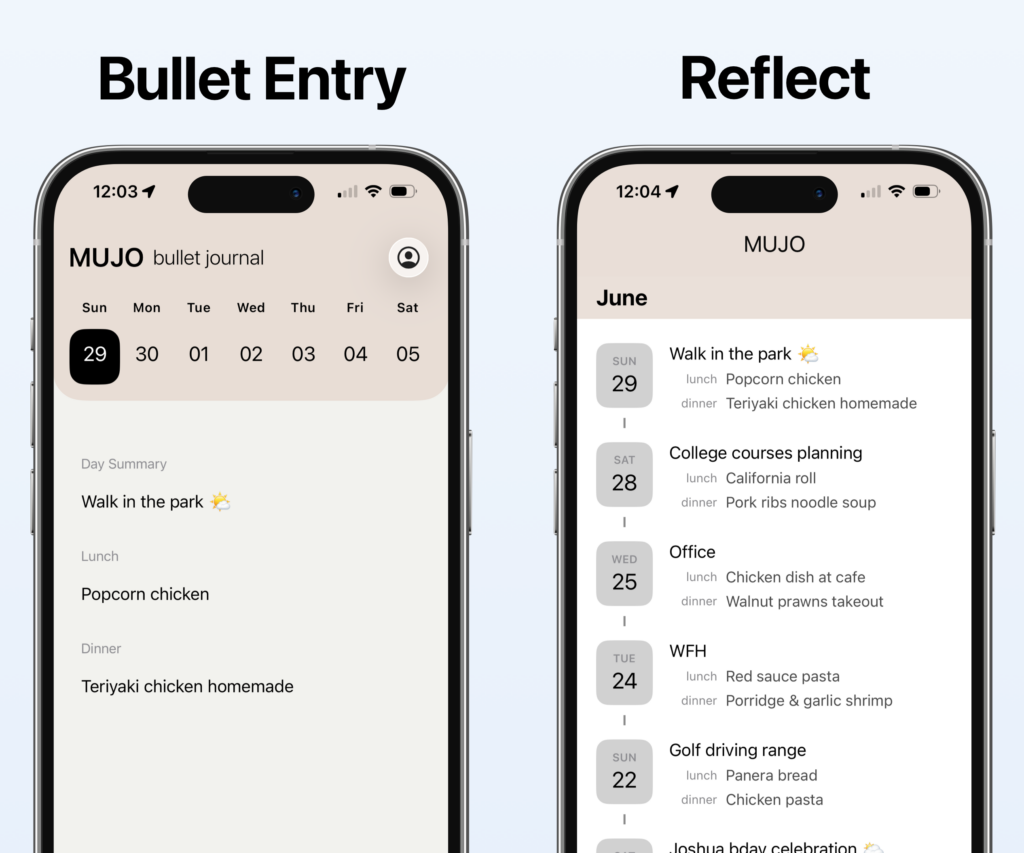
✓ Bullet journal and timeline views
✓ Track daily activities and meals
✓ Clean, distraction-free design
✓ Private and secure—your journal stays yours
References
- Emotional and physical health benefits of expressive writing (Cambridge University Press) ↩︎
- Effects of Expressive Writing on Psychological and Physical Health (Niles et al., NIH PMC) ↩︎
- Writing About Past Failures Attenuates Cortisol Responses (DiMenichi et al., NIH PMC) ↩︎
- The Power of Journaling for Managing Stress and Anxiety ↩︎
- A Brief Gratitude Writing Intervention Decreased Stress and Negative Affect During the COVID-19 Pandemic (Fekete, Deichert, NIH PMC) ↩︎
- Practicing Gratitude for Better Health and Well-Being (University of Utah Health) ↩︎
- The effects of gratitude interventions: a systematic review and meta-analysis (Diniz et al., NIH PMC) ↩︎
Leave a Reply